Every concept is briefed by what competitors are running right now, screened before it reaches you, and delivered as a campaign built in the ad account with tracking attached. It arrives paused. You turn it on.
Campaign built in the ad account, tracking attached
Off Every row paused until you turn it on
Vermere is a sample client brand, not a customer.
A manual round starts from a blank docOff-brand work is caught by whoever has time to lookLast round's read lives in someone's head
HOW IT WORKS
One Session, Six Stages, Every Client
Two weeks of calendar time, compressed into one session. Following a single session for Vermere, a sample client brand.
Stage 1 · Research
It reads the client's site and offer page, then reads what competitors are running in the category this week. What you tell it about the audience overrides anything it inferred.
Brand baseline · vermere.comConfidence: high
Category
Skincare, direct to consumer
Flagship
Barrier repair cream, single jar
Audience
Adults 28 to 45 with reactive or easily irritated skin
Signature Claim
Fragrance free, no actives
Category Read
Live competitor ads pulled from Meta's public Ad Library
A thin or unreadable site forces low confidence instead of a confident guess.
Stage 2 · Angles
Concepting is where a round stalls for days. Seven concepts come back at once, each with its copy and its image prompt. Edit any of them, or throw them out, before a single image is generated.
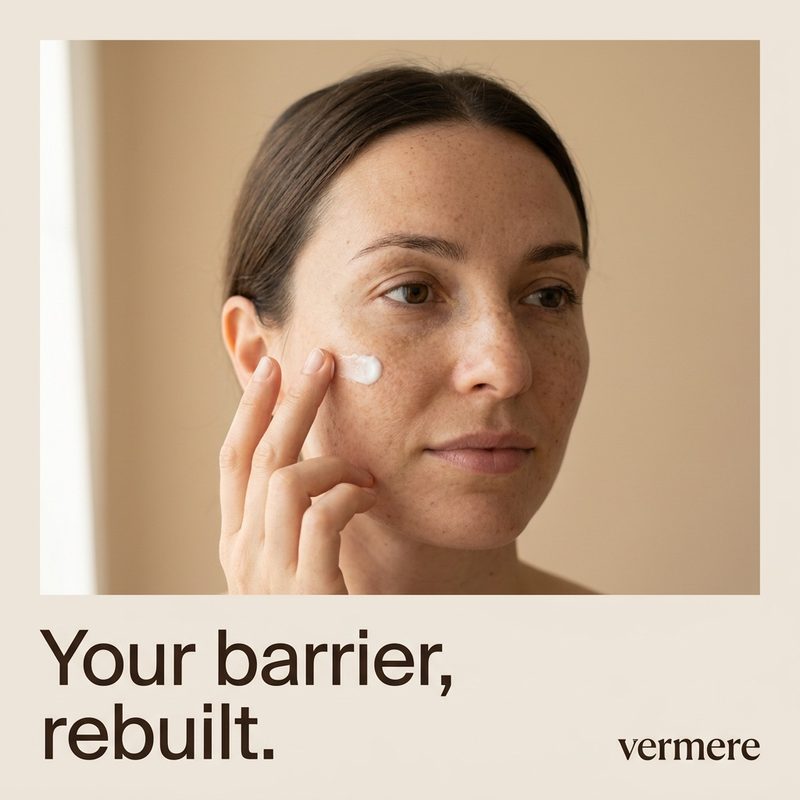
Problem AwareYour barrier, rebuilt.Most gentle creams still run three actives. This one runs none.
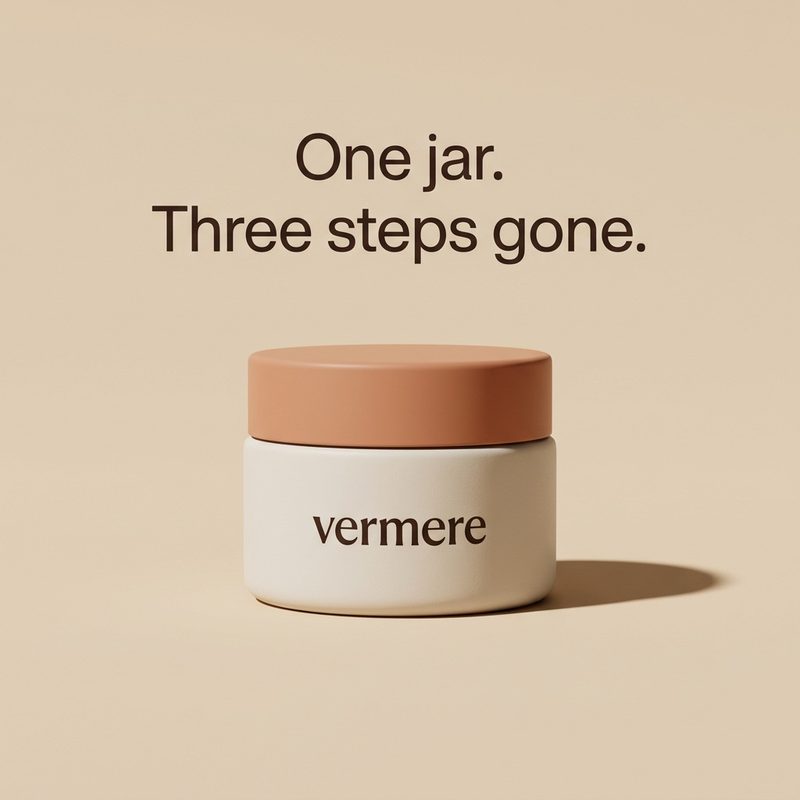
Routine reductionOne jar. Three steps gone.Serum, moisturizer, and night cream collapse into a single step.
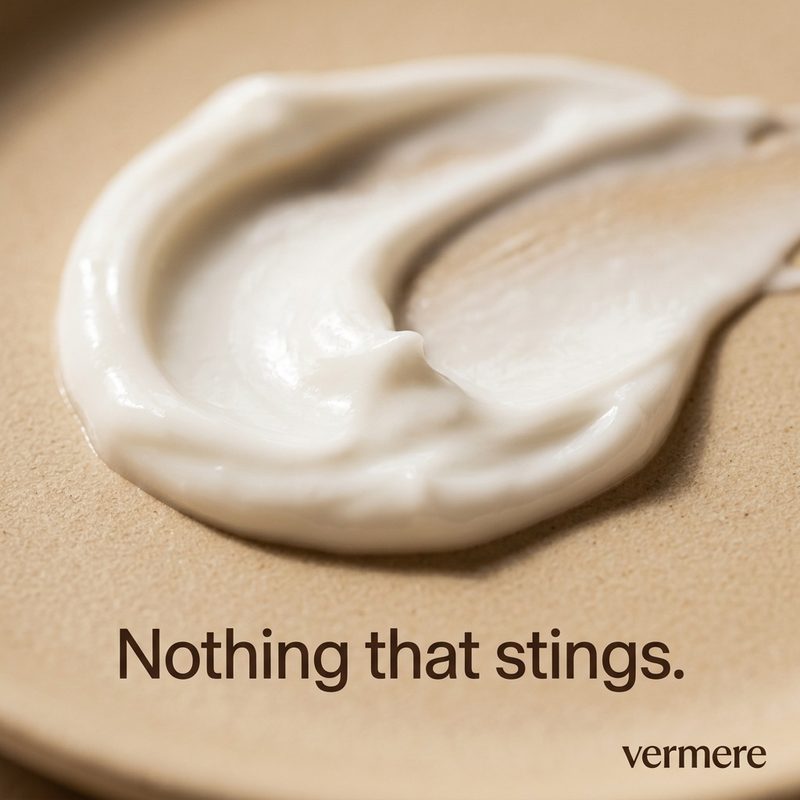
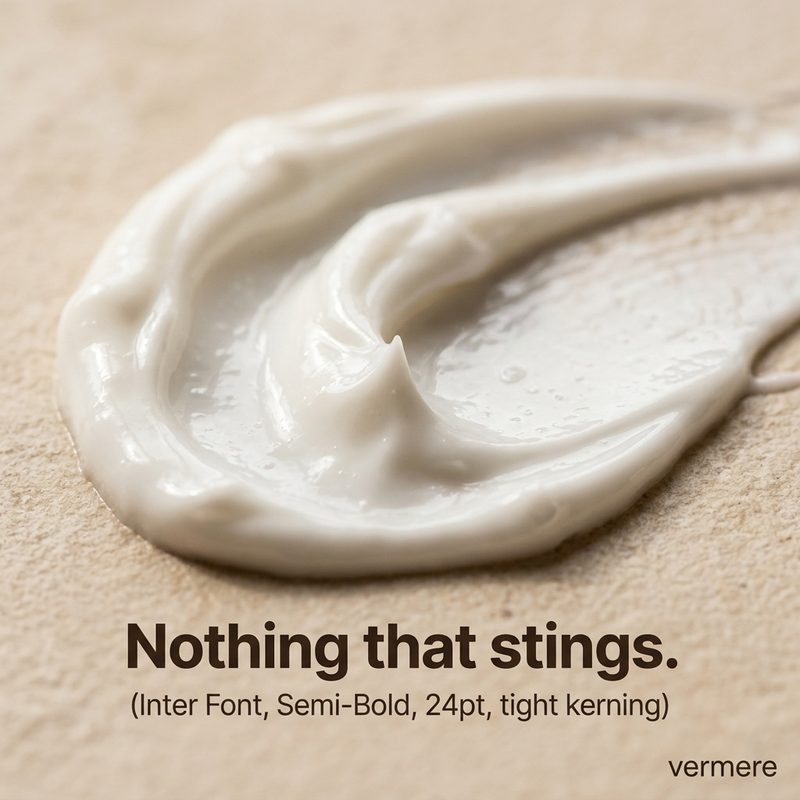
ObjectionNothing that stings.For skin that has learned to flinch at anything new.
Three of the seven concepts from this session.
Stage 3 · Creative
Your designer's queue is the real bottleneck. Every asset renders on the client's own brand system: their palette, their type, their product in frame. Each account keeps its own, so creative for one client never comes back sounding like another.
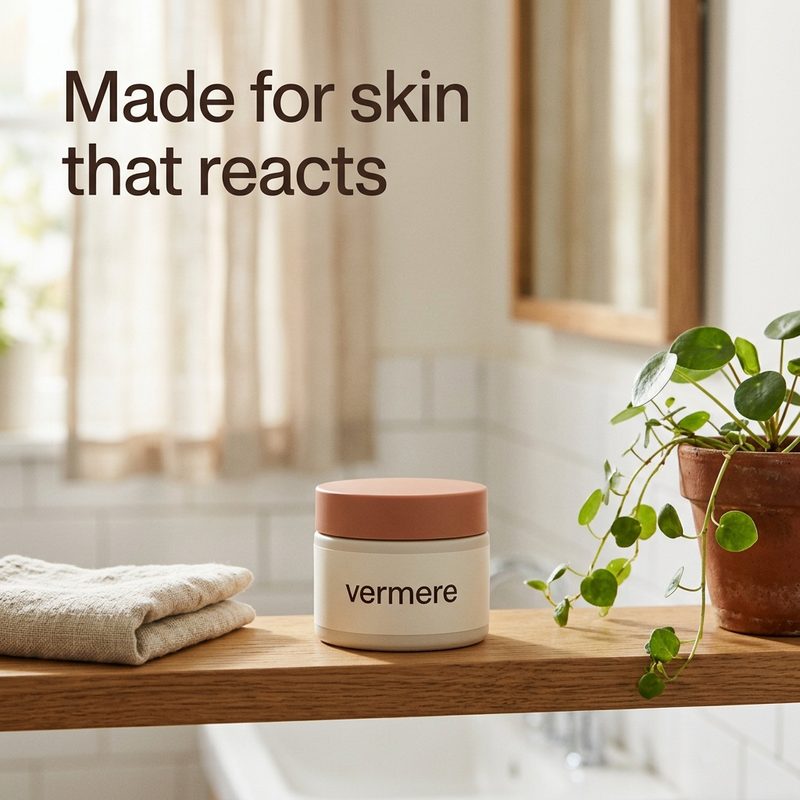
Four creatives generated for Vermere, a sample client brand.
Stage 4 · Screening
Every asset is checked against brand and Meta policy rules before it reaches you. Here is one that did not make it out of this session.
✓
✓
✓
✓
✗
Blocked: the image model rendered a typography instruction into the ad as visible copy, reading "(Inter Font, Semi-Bold, 24pt, tight kerning)". Caught on screening and regenerated. This is a real reject from the session above.
Stage 5 · Campaign
Building the campaign, ad sets, ads, and UTMs by hand is an afternoon per client. This one lands in the ad account fully assembled, tracking attached, and every row switched off. Turning one on is your call.
On/Off
Campaign, ad set, and ads
Status
Off
Vermere · Barrier cream · Prospecting
In review
Off
Reactive skin, 28 to 45, United States
In review
Off
Your barrier, rebuilt.
In review
Off
One jar. Three steps gone.
In review
Off
Nothing that stings.
In review
Illustration of the delivered campaign structure. No spend or results columns, because nothing has run.
Stage 6 · The loop
Budget calls slip when nobody has an hour to read last round. Once the round has run, we read the results and act on them two ways: budget moves behind the angle that held, and the next round's brief inherits what worked so the following concepts start from it. A new strategist on the account picks that file up on day one.
audience: reactive skin, 28 to 45
objective: first order
kept: objection angle, held three weeks
retired: routine-reduction angle, fatigued
next: test the objection angle on a lookalike
Illustration of last round's result written into the next brief. You set the kill and scale thresholds; we apply them the same way on every account.
Before May writes a concept, it reads the category. We build that read from Meta's public Ad Library, and it sells on its own from $24.99 if all you want is the research.
Adobe runs a two-track Meta strategy: a long-running Creative Cloud Pro discount (70–75% off) for conversion, plus creator and employee testimonials around Cannes Lions and Adobe MAX for brand authority.
Featured Creatives
Export Pack
Paid orders include the PDF plus a ZIP with every saved creative, a browsable gallery, and raw ad data.
A browsable offline gallery of every ad, filterable by format, CTA, and run length, with each ad's creative variants saved beside it so nothing is lost when Ad Library links expire.
The whole deliverable, cover to close: a competitive scorecard, an executive summary, the offers they run, their creative and copy patterns, and the strategic paths open to you. Learn 7 free ways to research competitor ads.
The format mix, the CTA labels they lean on, and how recently each ad launched, then the single creative doing the most work for them and why it ranks.
The words and phrases they repeat most, ranked by how many of their creatives use each one, with a real example snippet beside every term.
Run-Duration Read
Which of their ads have been live longest, and which formats they keep coming back to. Useful when you're planning your next creative batch or UGC spend. See 2026 ROAS benchmarks by industry.
Brand vs. Meta Reality
We write up what a brand is publicly known for before we look at a single ad, then hold that against the products and offers they actually push on Meta. The gap between the two is usually where your opening is.
Creative Inspiration
Build a swipe file from real live ads, each one tagged by what it leads with: the product, a person, or the message alone. Every ad also carries its hook, its offer, and how it was produced, so you can brief your team with examples already in market. Watch for these 7 signs of creative fatigue.
Quarterly Trend Tracking
With Market Dominator, you see how a brand's promos and creative mix shift quarter over quarter, so your launches and sale calendar plan against current behavior.
PDF Plus Saved Creatives
A shareable PDF for decisions, plus saved ad images, videos, and a browsable gallery so creatives do not disappear when Ad Library links expire.
Agencies running Meta for five to twenty clients, where creative throughput is the ceiling on the retainer.
Volume Across Every Client
Every account keeps its own brand system, its own offer, and its own competitor set. A round that took two weeks of calendar time comes back the same day, so your team spends its hours picking winners.
Your Rules on Every Account
Every agency has one senior person who knows when to cut an ad and when to push budget behind it. Write those calls down once and they run the same on account one and account twelve.
kill frequency > 2.8 and cpa > target
scale cpa < 80% of target for 3 days, raise budget 20%
never touch an ad set inside the learning phase
Illustration of a written rule set. You define the thresholds.
An Approval Trail You Can Show the Client
Every stage leaves a file behind: the brand baseline, the concepts, the image prompts, the screening result, the campaign structure. When a client asks where an ad came from, the answer is a document.
Pick the client whose creative is most overdue. Seven concepts and five Meta-style creatives come back in about three minutes. Free, no ad account access, no card.
From $100 per account, or agency rosters from $499/mo
Founding rate, locked for 12 months
Campaigns arrive paused. You approve every round
Start With a Free Round
Generate five ads on a real client brand, then book a call if you want the loop run for you.
Not to try it. The free generator runs on a public website. Account access comes up when you're ready to publish campaigns into a real account, and we scope that on the call.
No. Campaigns arrive paused, every row switched off. Turning one on is a human action, every time. Budget changes between rounds go through the same approval.
A single account is $100 per month. Agencies price by the roster: Agency Starter is $499 a month for up to 5 active accounts, and Agency Roster is $899 a month for up to 10, with $59 per active account beyond that. Competitor reports are included on the agency plans. Founding rate, locked for 12 months. The generator is free.
Every asset gets screened before it reaches you, and you approve or reject each one. In a recent internal sprint, 9 of 10 concepts cleared and 1 was blocked for citing a number it had no data for.
Yes. Competitor reports still sell on their own from $24.99: a PDF you can brief from, plus a ZIP of every ad we captured. It is the same research that briefs May, and the cheapest way to see the quality of the read first.